
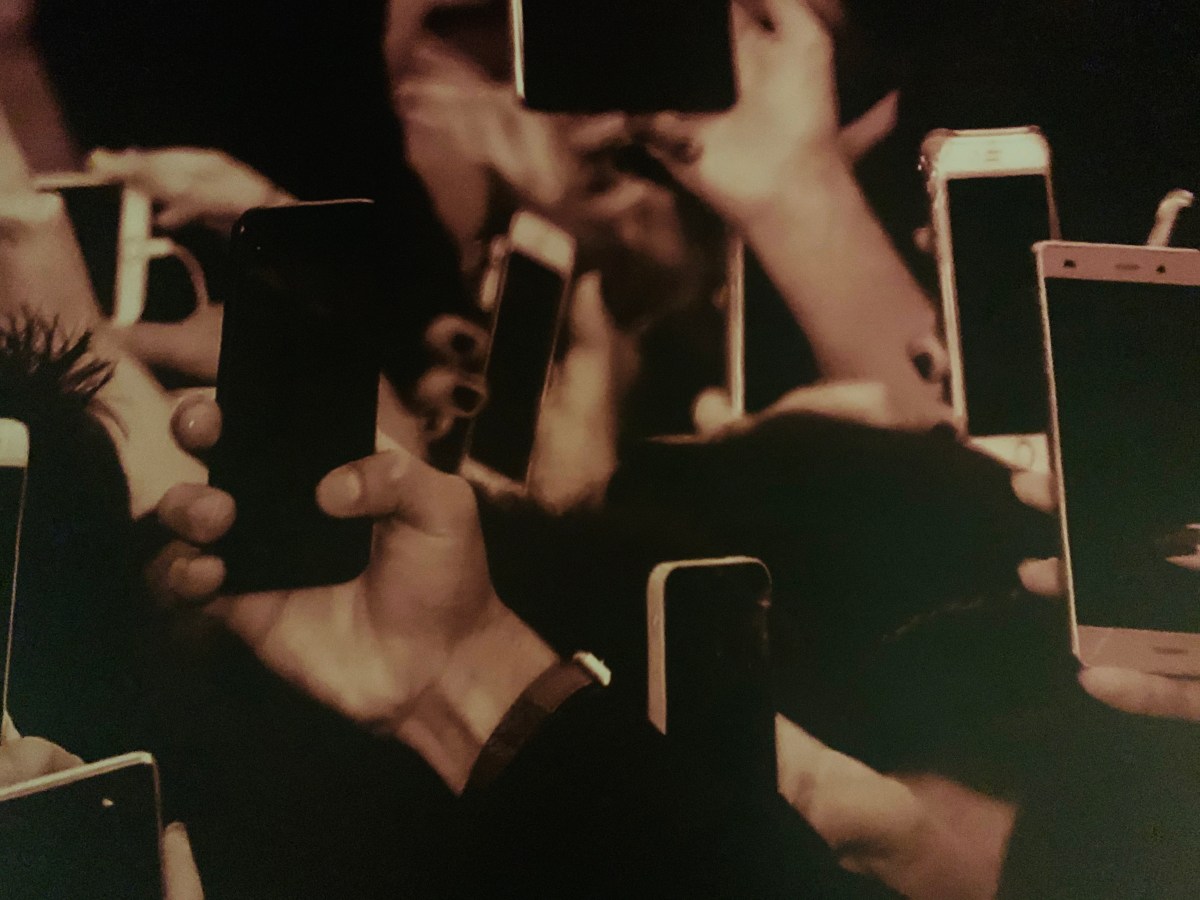
Just be careful of fake news on your way through.
By: Muhammad Sikandar Ali Chaudary
. Get rich by building an audience
. Media users receive news from influencer journalists
. Verify news from influencer journalists
Post memes, record pranks, produce TikTok videos or be a fashionista on any social media platform to get followed by hundreds of thousands of people. No college degree or national identity card is required to be an influencer and make enormous amount of money. This has not only democratized entertainment production and distribution but also news.
Do users receive news from influencers?
A seven-nation survey conducted by Northwestern University in Qatar in collaboration with Harrison polls revealed that 81 percent of the respondents in Qatar get news and information from social media influencers. Additionally, 27 percent of the participants agreed that they get news and information from social media influencers at least once a day. This places Qatar just behind Saudi Arabia in the MENA region, where 92 percent of the participants generally receive news from social media influencers and 32 percent agreed that they get news via social media celebrities at least once a day. It is followed by UAE (78 percent), Jordan (57 percent), Lebanon and Tunisia (52 percent) and Egypt (42 perecnt).
Is every influencer trained to deliver news?
This raises certain ethical questions. Is your friend next door with 1000 followers on Instagram authorized enough to deliver news? The other day an influencer was doing a live session on Instagram about climate change being a hoax. No one could stop tick tock celebrities to purport that God has plagued Chinese with coronavirus because they were torturing Uighur Muslims.
How considerate are social media influencers to verify information before communicating it to the public? What are the levels of fact checking and are they aware of journalistic standards of objectivity, neutrality, fairness etc.?
You might as well come across hyped up or one-sided news on topic ranging from politics to entertainment news. Do we need a regulatory framework?
What can Qatar do amid social media chaos?
Most countries, including Qatar, haven’t implemented a regulatory framework for influencer journalists yet. However, Emir Tamim Bin Hamad Al Thani added a new law, Article 136 bis, in the Qatar Penal Code that deemed the publication of fake news illegal among other things. Right groups, including Amnesty International, has labelled the recent fake news law as repressive. The law stipulates that “anyone who broadcasts, publishes, or republishes false or biased rumors, statements, or news, or inflammatory propaganda, domestically or abroad, with the intent to harm national interests, stir up public opinion, or infringe on the social system or the public system of the state” would be imprisoned for five years and levied fines up to $25, 000.
Here, the most important question is to ask ourselves whether we should wait for the government authorities to formulate new laws for the virtual world as a deterrent measure or take the responsibility ourselves to double check the information we are receiving?
The most recommended solutions
Christine Heenan, who served in the White House as senior policy analyst and speechwriter in the Clinton administration, advised students during a talk at Northwestern University in Qatar that real responsibility lies with the general users to double check the information. “The iPhone has completely changed the world,” she said. “It is responsibility of the user to ensure the credibility of the information.”
Academics also believe that media user’s digital literacy and ability to detect deception is more important than any external regulations. According to Venus Jin, Professor in Residence at Northwestern University in Qatar with a specialization in influencer marketing, fake news generators (sources) will lose their credibility and eventually will not survive the marketbecause the truthfulness of news is a vital indicator for its sustainability. “Objective truthfulness of the contents is an important mediator in determining the effects of online news on media users’ perception of source credibility, trust, and behavioral intention to share the news”, she said.
The bottom up approach of empowering media user with the skillset to differentiate between real and fake news is mandatory to eliminate the latter. However, the question is who will take this responsibility?
 talkk.tech.blog