Many small shops and vendors around Doha do not have technological payment tools such as paying through card or smart phones. The lack of these payment tools does not only give a hard time for customers who might not have cash on them while shopping but also is very inefficient to track payments and workers’ salaries who sometimes don’t get their wages for months. In this podcast, I talk to Zuhair Mohammad, a product lead at QPay, Qatar’s Largest Financial Technology Services Network for Small & Med-Size Enterprises. Zuhair will tell us how QPay is trying to provide new technological tools and services for small vendors in order to solve many of the payment problems startups owners face in their business.
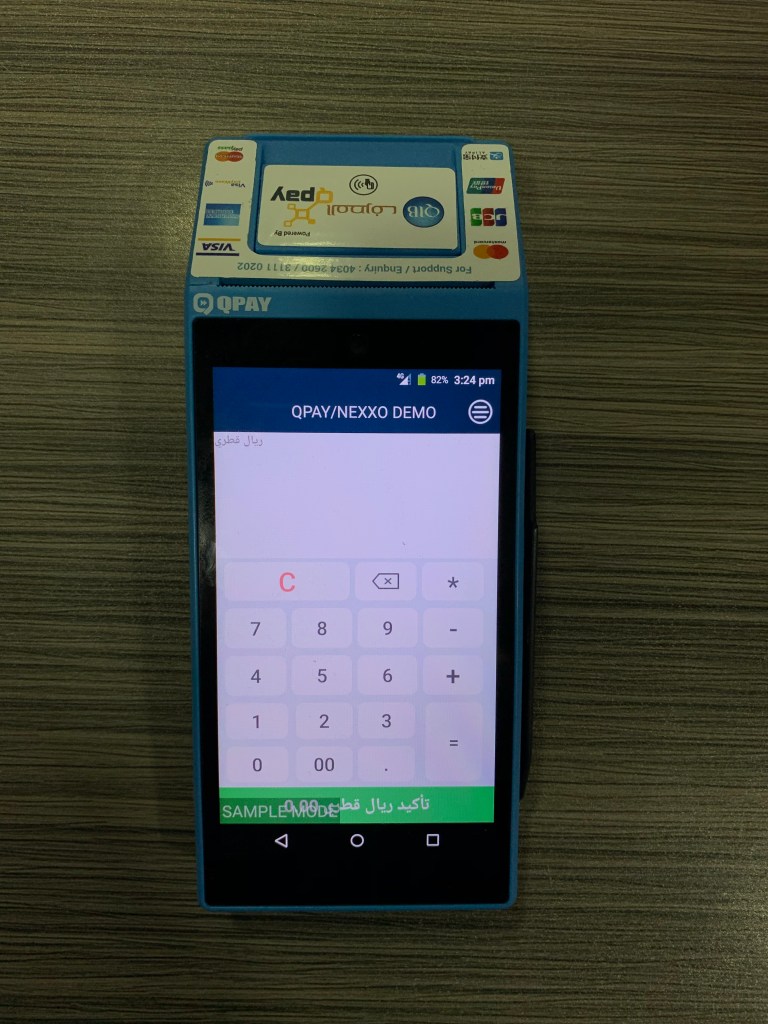
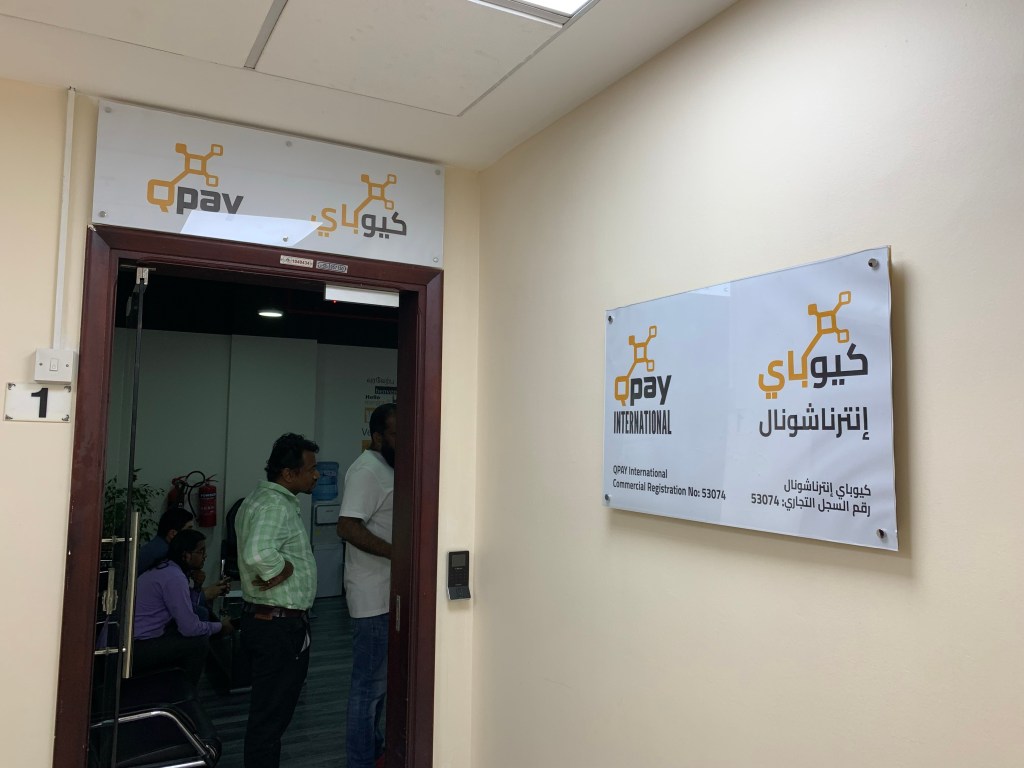
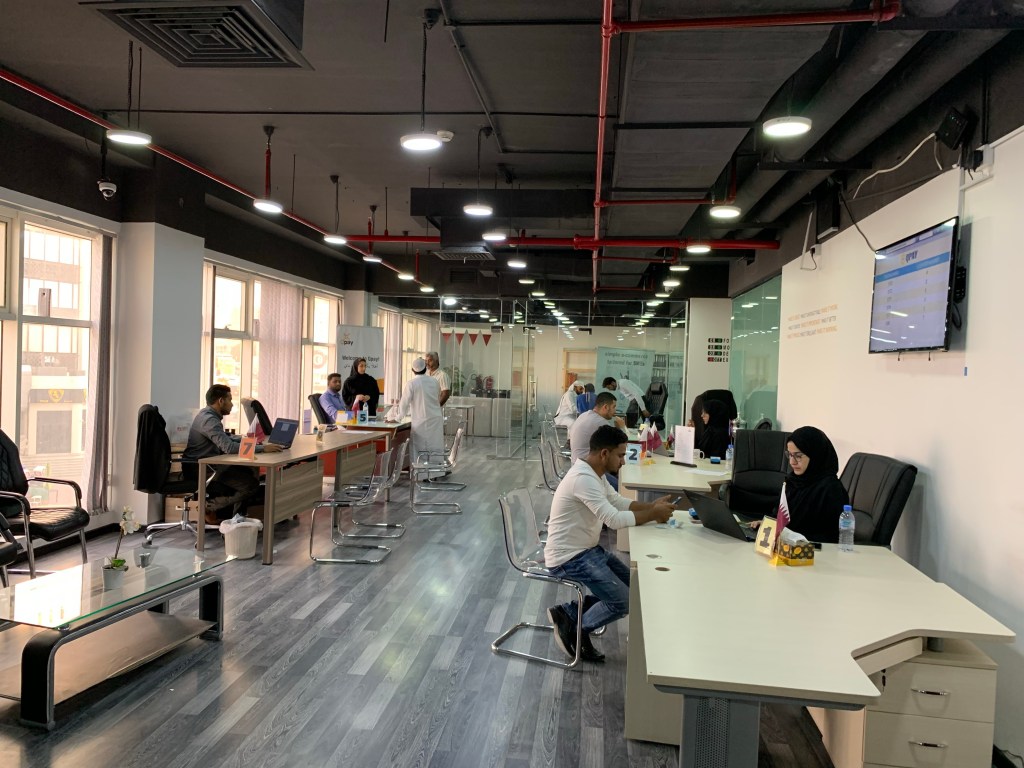
Podcast by Ayman AliPoint of Sales (POS) machine described in the audio QPay’s office is located in Grand Hamad Service Street next to Souq Waqif parking lotsQPay’s customer service office
Faculty members at Carnegie Mellon University in Qatar are leading a new research project funded by Qatar National Research Fund (QNRF) to create an interactive map of Qatari dialect.
The project plans to explore the geographical, historical, and social variation of the country’s dialect. It will incorporate interactive tools that will allow educators and Arabic-speaking learners to navigate through the different pronunciations, usages, and terminologies of the Qatari dialect.
The research team consists of two leading CMU-Q faculty members. Zeinab Ibrahim, teaching professor of Arabic studies, is the lead principal investigator on the project. CMU-Q’s assistant professor of information systems, Houda Bouamor, is a principal investigator on the project.
Why this project?
Recently, Qatar’s heritage has been undermined by the unprecedent development and modernization in the country. The initiative aims to gather all the scattered academic and historic information about Qatar’s dialect and use it as reference for future generations. More importantly, Arabic teachers could utilize such tool to help Qatari students learn modern standard Arabic.
How did it start?
Professor Bouamor is a computational linguist and a computer scientist that has been working on Multi-Arabic Dialect Applications and Resources project. The research, called MANAR and funded by QNRF, covered 25 cities of Arabic dialects in the region.
“Dr. Zainab called me and told me ‘you have worked on this big project, what if you if you want to focus on Qatar only?’” said Bouamor.
What are the utilities?
According to her, the map will show two main branches of the Qatari dialect, both nomadic and urban. Tools will also classify dialects into micro-categories based on the person’s education level, social background, and place of origin.
“It will also be a gender map, where we will show how Qatari girls speak differently from their male peers,” said Bouamor. The team will build resources that are parallel between speech and text and use natural language processes through artificial intelligence.
According to Bouamor, the computational team will program the website by incorporating initial sources such as interviews, research papers, social media posts, and standard Arabic TV channels. This will allow the tool to make comparisons through machine learning system based on digital algorithms and inputs.
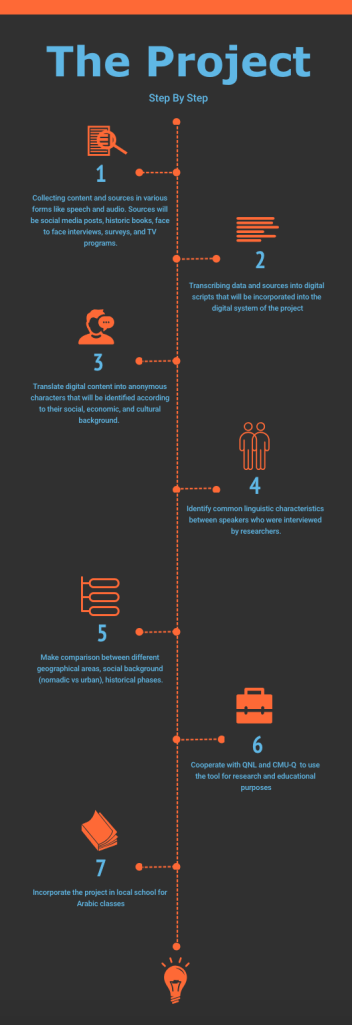
Steps of the project:
Collecting content and sources in various forms like speech and audio. Sources will be social media posts, historic books, face to face interviews, surveys, and TV programs.
Transcribing data and sources into digital scripts that will be incorporated into the digital system of the project.
Identify common linguistic characteristics between speakers who were interviewed by researchers.
Make comparison between different geographical areas, social background (nomadic vs urban), historical phases.
Cooperate with QNL and CMU-Q to use the tool for research and educational purposes.
Incorporate the project in local school for Arabic classes.



 talkk.tech.blog