Categories
-

Digital Health Coach at Fingertips

Behind screens, AI and doctors work together to tailor your health plan. Sounds helpful. But some say it brings about alienation rather than motivation.

While technology has revolutionized people’s daily life experience in many sectors, it is also transforming the healthcare sector with the emergence of healthcare Apps. The fast-growing penetration of mobile phones facilitates mobile-based health technologies to become the primary battleground for investments and innovations. According to a report by Zion Market Research, the global mobile health (or ‘mHealth’) apps market was about $8 billion in 2018 and is expected to be $111.1 billion by 2025 (Zion Market Research, 2019). 

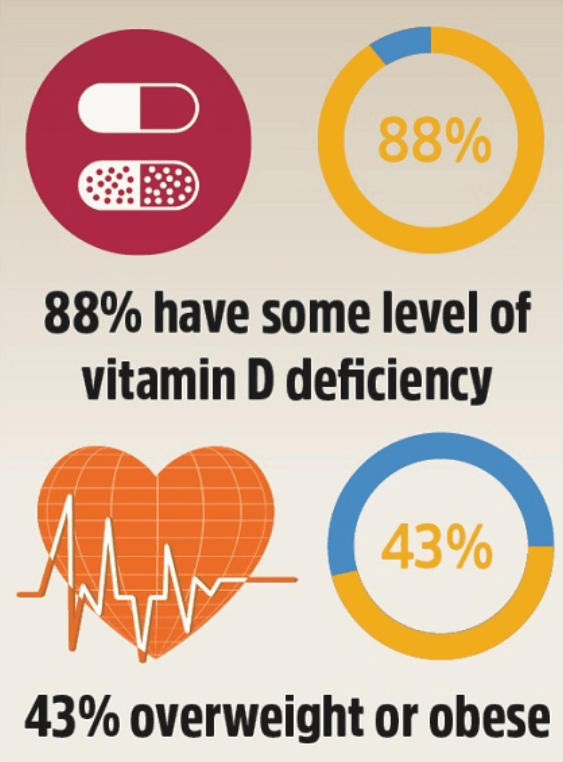
MHealth market also has a tremendous regional appeal. Nowadays, approximately 95 percent of Qatar people own a smartphone (Media Use in the Middle East, 2019), which means mobile is an ideal medium to provide health services for local people. Meanwhile, dietary problem is a severe headache to Qatar. About 43 percent of the population were found obese; 88 percent had Vitamin D deficiency, and 17 percent had diabetes (Qatar Biobank report 2018/19). 
Droobi Health, a digital therapeutic start-up under Qatar Science & Technology Park (QSTP), is one of the local pioneers in this market. Available on both IOS and Android, Droobi Health combines technologies from behavioral science, gamification, data analytics, artificial intelligence, and human coaching to help people build healthier habits. The digital health coach is designed as an app, aiming to reduce behavioral risk factors for developing chronic diseases.

“All these technologies serve one purpose…that is to tell the obese and diabetes people that they are not left alone,” said Majed Lababidi, the managing director and co-founder of Droobi Health. “Many of them have poor access to the healthcare system and do not know where to seek help,” he added. 

Droobi starts with capturing user behavioral data and incorporate the scientific research related to Qatar and the region. It then uses behavior science to design predictive analysis module. It also adopts AI and machine learning to analyze data and develop personalized interventions. The app also offers educational materials adapted to suit Arabic cultures and values.

Droobi Health now has seven hundred active users in Qatar. Although the company works closely with local health institutions such as Al Ahli Hospital, its revenue primarily comes from user subscriptions. Lababidi is confident that many more people will use and purchase Droobi Health subscriptions in the future. 

However, a survey shows that the Droobi app has some difficult conflicts to resolve. “It is good to have technologies tracking my health, but I prefer face-to-face consultation because I feel more engaged,” said Ghanim Nasser Al-Mohannadi, 22, a university student who is overweight. Al-Mohannadi is not an active user of Droobi Health app, but the reporter has shown and explained to him how it works. “I may not buy the package because all these functions look complicated,” Al-Mohannadi added.
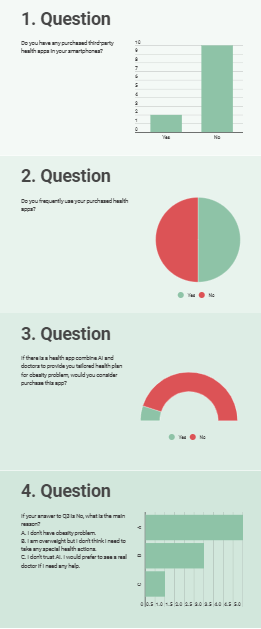
Ahmed Hussein, 54, a patient who has diabetes, expressed similar concern. “Maybe I am old-school but I feel more motivated when I am supervised by doctors. An app being my supervisor is creepy,” said Hussein. 

While Droobi Health intends to remove the bridges between patients and professional consultants, its fine technologies create some alienations to some patients. The technical gap is one of the challenges it needs to overcome.  

Sources:

mHealth Apps Market by Type: Global Industry Perspective, Comprehensive Analysis, and Forecast, 2018—2025, Zion Market Research, 2019 

Qatar Biobank report 2018/19, Qatar Biobank, 2019

Media Use in the Middle East, Northwestern University in Qatar, 2019

Categories
-

When Worlds Collide: Tech Impact on Art

Recently technology started being integrated into the art industry. In this video, I experience an exhibition titled “Into the Light” that incorporates immersive audio technology, as well as augmented reality technology with art, to allow visitors to try something unique and creative. Throughout this video, I take you on a journey with me to understand the technology more, look at the exhibition and what I think about it, and decide whether it’s worth a visit! 

Categories
-

The slow adoption of technology in global football: an Education City perspective

A look at how technology in football has progressed since 2010. To learn more about the evolution of Goal Line Tech and VAR, click here.

With both Goal Line Tech and VAR only having emerged in the last decade, their implementation has been skewed to leagues that can afford and support them. But why does a collegiate league lack the systems, and how does that affect the game?

Listen, as Manan Bhavnani and Younis Al-Agha, captain of the Georgetown University in Qatar’s football team, talk about the absence of Goal Line Tech and VAR in the Education City University League. They also discuss challenges relating to the adoption of the technologies. This episode was recorded ahead of the Spring 2020 season, which kicked off on 30 January.

Categories
-

Pros and Cons of eBooks: Do you really need it? This will help you decide!

The old-fashioned hardcopy textbooks are preferred by Professor Khaled Al-Hroub, a political science professor at Northwestern University in Qatar, who thinks that it is easier to remain on track and be able to communicate thoroughly the ideas of the book by writing notes and highlighting points.   

eBooks are an online soft copy of a book that can be easily interacted with. These types of books allow highlighting and comments to be added onto the book as well as sometimes provide interactive tools to make education and the learning process faster and easier.

Hroub mentions that eBooks are found to be more convenient on the educational side since they are easy to email and order. He also says that the ordering and shipment process of eBooks are much easier and more convenient since no one has to deal with large number of packages and such. “There are so many pros to eBooks, one has to admit,” Al-Hroub added mentioning that a person could travel with a tablet where there can be an unlimited amount of eBooks which makes it more convenient in terms of accessing them all wherever one can be. However, he still prefers hardcopy books due to the process of one reading it and that it was scientifically proven that people can absorb information much faster and easier when in contact with a hardcopy of a book. 

He mentions that he does not have a concrete view, yet, this is just his personal taste. He adds saying, “most of the books I read, I generate some dialogue with them by writing notes on them and generating questions.”

Professor Khaled Al-Hroub also adds saying, “as a professor, ebooks are useful, useful to handle, useful to be emailed and dealt with,” which makes it more handy for students too yet it depends on the student and what their learning preferences are. In terms of technology, he agrees that this is such a useful and helpful innovation and technological development yet it does not always and necessarily add to the betterment of the educational nature in a classroom. However, professor Al-Hroub adds on saying, “from a pragmatic perspective as a professor, this would minimize the excuses of them not receiving the books yet, etc.”

A couple of students gave different aspects and perspectives on their idea of the pros and cons of eBooks. Many of them found it less practical because they find traditional hardcopy books to be easier to deal with when it comes to studying or revising because of the ‘dialogue’ that can occur with the traditional book, which professor Hroub prefers.

Even though universities implement eBooks, some universities do not like it. Dana Mahmoud, a senior student at Northwestern University in Qatar, says “I took a lot of classes where eBooks were available or were the only option to use but I struggled a lot when it came to studying for quizzes or exams.” Due to the dialogue that cannot occur with eBooks, Mahmoud justifies that this makes it difficult to absorb information in a fast way. Mahmoud adds, “I would have to take notes on my notebook and refer to the page which I took this information from which makes it much less convenient to me during exams because this wastes a lot of my time and energy, too.”

On the contrary, Dana Hassan who is a junior student at Northwestern University in Qatar says that she prefers eBooks because she would not have to carry heavy books all around the university which causes her severe back pain. Hassan says, “I am very thankful for the invention of eBooks because not only did it make it more convenient for me, but it also made me feel more organized where I can highlight and add notes in the same place which makes it more organizing.” 

Hassan thinks that forgetting books at home is a very often thing to happen yet when it comes to eBooks, it can be easily accessed on the laptop which is carried all around the university on a daily basis with her. “I would not have to carry books when I have a class that provides eBooks which I find more convenient. I think I easily learn from eBooks too because I sometimes find it more interactive than the usual traditional hardcopy books.”

Wijdan Al Khateeb, a senior student at Northwestern University in Qatar says that she did not experience any class that had a mandatory eBook which she finds saddening. “I wish I was able to experience eBooks and see how they work because I never took a class that actually has eBooks provided.” Although she did not experience this new trend yet she thinks it would be very interesting and easy to handle because “it is much easier to just carry a laptop than loads of books at one time,” Al Khateeb adds.

Categories
-

Don’t Blame Your Stomach, Blame Your Brain

  • Research finds that overeating is caused by brain connection, a hormone called MCH.
  • An increase in the MCH is responsible for impulsive behaviors such as gambling, addiction and overeating.
  • This new discovery hopes to contribute to therapy, as an alternative method to lose weight.

New Research

Fitbit? MyFitnessPal? These apps may no longer be necessary to fight obesity. New research finds an alternative method, therapy.

The research from the University of Georgia links overeating, formally known as binge eating disorder, to an increase in Melanin Concentrated Hormone (MCH) production in the brain. This hormone is responsible for impulsive behaviors, causing a lack of self-control when it comes to eating, leading to obesity.

Meaning that, if you find yourself finishing the popcorn before the movie starts do not blame hunger.

So, overeating is not a cheat meal that you decided that you can have once a week. Impulsivity is a decision that does not take into consideration the consequences of the action.

Even with the technology available at our fingertips, almost half of the Qatari population suffers from obesity, according to the latest Qatar Biobank annual report, a medical research facility based in Qatar Foundation that focuses on studying obesity, diabetes, and cancer. These obesity rates are not slowing down in Qatar or anywhere in the world, says Tamara Al-Abdi, an adjunct Psychology professor at Virginia Common Wealth University in Qatar, who also teaches Nutritional Science at Qatar University.

If left untreated, obesity can have long-term effects on people’s health putting people at a greater risk of developing heart diseases, type 2 diabetes and high blood pressure, according to Stanford Health care.

As none of these methods prove to be effective enough to solve the obesity epidemic, researchers turn to new approaches to tackle obesity, Al-Abdi adds.

That’s why, in the last two years, researchers focused on a psychological approach to treat obesity as a mental health issue, says Al-Abdi. The research published in the journal Nature Communications tested on lab rats that were trained to push the lever every 20 seconds to get food at the beginning. However, after increasing their MCH levels through injection, researchers found that rats grew impatient and started to push the lever several times, demanding food. Researchers hypothesize similar effects of impulsiveness in humans, which can explain overeating.

Though at its early stages, this knowledge in this research might contribute in the future to an alternative approach which is developing treatments such as therapy to control the hormone responsible for impulsivity, according to the study.

Using this would help therapists is to understand the emotions that trigger a person’s response to overeat and try to eliminate them and controlling their bad habits, says Al-Abdi.

Societal and Social Media Pressure on Body Image

Emotional eating also plays a big role in Omar Fakharany’s struggle to lose weight.

Omar sitting at the Student Center in Qatar Foundation.

“When I am bored or feeling depressed, sometimes you just want something to make happy, by eating,” says the 21-year-old university student.

From the age of seven, Fakharany recalls always having an unhealthy relationship with his body image. In hopes of mending that relationship, he tried several methods of weight loss such as going on the keto diet, speaking to a nutritionist and exercising throughout his teen years but ultimately failed.

“Every time I felt like a method didn’t work, I changed. So, it was very inconsistent. When I felt demotivated I go back to my old habits”, says Fakharany.

Fakharany once considered getting a gastric bypass surgery but changed his mind after learning about the risks involved.

It is a monthly task for Fakharany to search for new ways to lose weight because of the pressure from society. “When you are obese, it affects your interactions with other people because they assume you are lazy,” he adds.

But, the pressure from society does not stop there, it extends onto social media. As Fakharany, scrolls through his Instagram feed, he finds himself surrounded by people taking pictures of their toned bodies.

One must remind themselves that social media does not reflect reality. “Social media is a world of perfection where people can edit their bodies and faces to look a certain way,” says Meerna Muhanna, a clinical dietitian. 

Marta, a personal coach, explains that social pressure encourages people to try unsustainable methods of losing weight. In other words, diets that work in the short term, but in the long term will make the body lose out on important nutrition.

Health Fad or Diet?

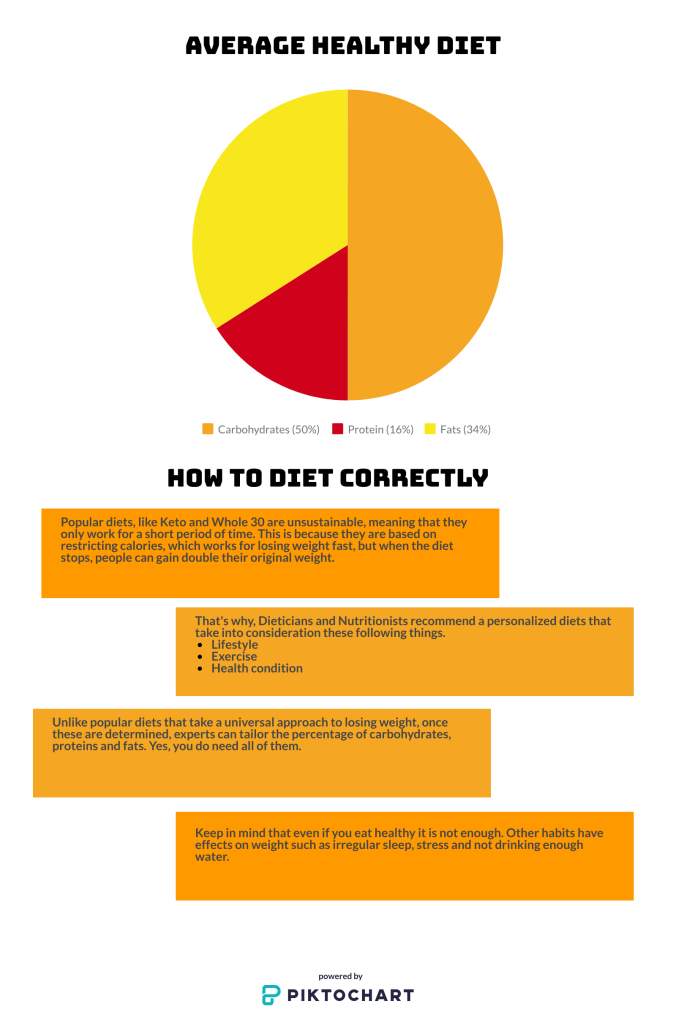
The methods that Fakharany tried such as the Keto Diet are called health fads. Their only purpose is to give you immediate results because they are based on restricting calories. The initial weight loss from these diets come from water weight instead of fats, says AlAbdi.

So, it is important to keep in mind that no healthy diet will let you lose one kilogram per week. Instead, a healthy diet should include the correct balance of carbohydrates, proteins, and fats. Although it will be a slower process, it will ensure that the body has the right nutrients for long-term effects, says Muhanna.

Categories
-

Tech Try: Adding A New Dimension to Classic Sports

Year by year, new technologies are entering our lives in groundbreaking ways. In this video, I take you along with me to experience how technology is being incorporated into a classic sport like golf. Throughout this video, I discover that these technologies work best for individuals who are well versed in the sport; regardless it was fun getting my hands on a few expensive clubs!

Categories
-

To invest, or not to: That is the question for Cryptocurrency investors

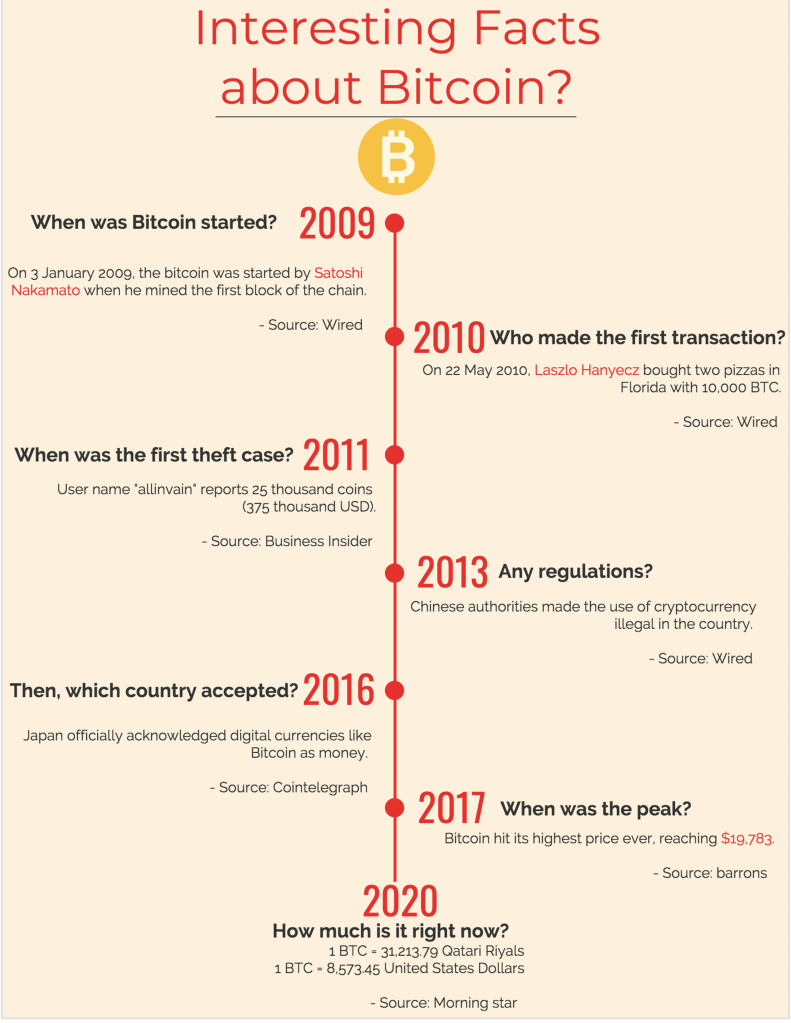
Interesting facts about Bitcoin
  1. Cryptocurrency is a controversial issue that some people see it as a lottery ticket while some people consider it as an investment.
  2. Some countries, such as Qatar, have banned Cryptocurrency-related activities; some experts warn the possibility of misuse and crime.
  3. Clear and safe investment plans are needed to protect one’s assets.

Some people see Cryptocurrency as an investment, while some people often compare it with gambling. Is Cryptocurrency another period of Tulip mania or is it a future digital currency of the world?

Before James Lee made 17 million US dollars by investing in Cryptocurrencies, he was a typical computer science student who likes to design various applications and programs. Just like other students at his age, he likes to read economic articles, finding opportunities to invest money in innovative ideas during his spare time.

He heard of Cryptocurrency while interning at an economics research center in 2017 and the decision to invest in Cryptocurrency changed his whole life. At the beginning, he barely knew what it is. However, as he saw a promising opportunity in cryptocurrency, he started designing a program that predicts the prices of various cryptocurrencies at different exchange markets.

After he invested money with the price prediction program and had made profits around 17 million US dollars in two years, James was not the same person he used to be in the past. Cryptocurrency allowed him to become a millionaire, from a student who used to get an allowance from his parents.

With the money that he made, he now lives in regal splendor. He lives in a luxurious condo that has the most spectacular views imaginable. He drives Audi that costs 120 thousand Qatari riyals and wears premium luxury clothes that an ordinary student or salaryman would never normally see or even imagine.

However, he stopped investing in cryptocurrency even though he could make much more money. He explained that it is still possible to make money out cryptocurrency but the value of Cryptocurrency fluctuates too much and it became more dangerous than ever.

“I do think that there are actually chances that you can make profit out of it,” Lee said, “however, since there are many big hedge fund companies and huge investors after the boom of Cryptocurrency in 2017, there is nothing you can do as an individual.”

In any case, the purpose of this digital asset was to perform internet-based financial transactions. However, in 2017 when the prices of various digital coins were significantly decreased, people recognized it as a bubble, just like tulips in 17th century.

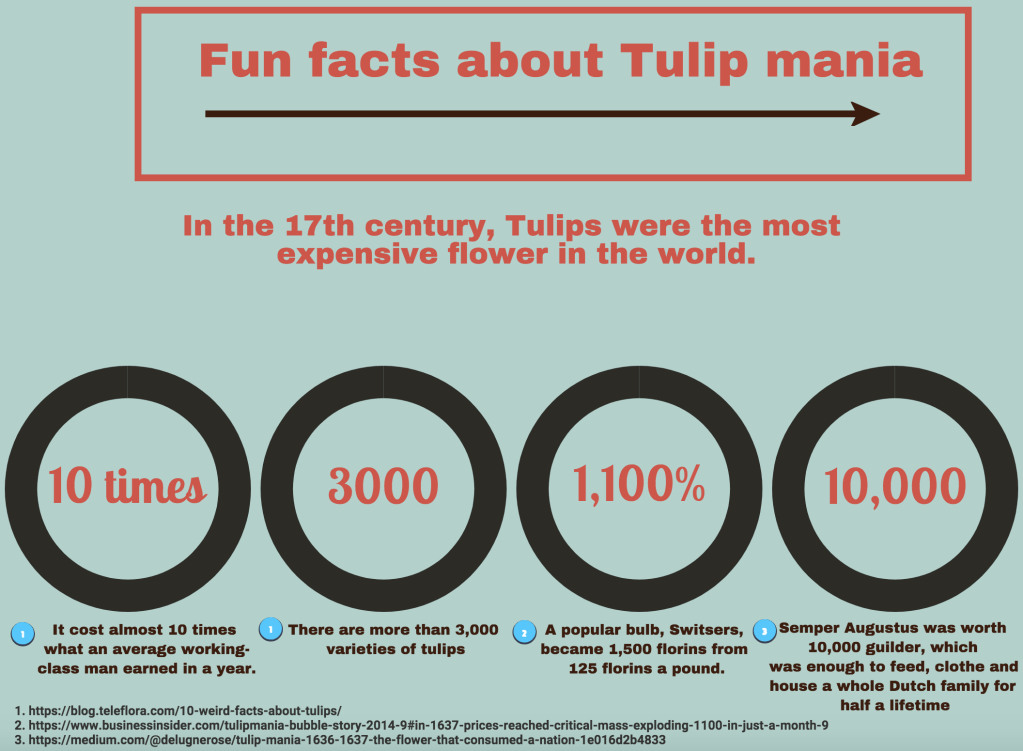
Interesting facts about Tulip mania

In 17th century Holland, Tulips were considered as an investment that the price of tulips were significantly higher than other kinds of flowers. For instance, a bulb of Semper Augustus, one of the most valuable tulips, could afford a whole Dutch family’s living for a while. However, since Tulip itself was not a valuable commodity, the price went drastically down, resulting enormous losses for investors.  

In addition, some countries have banned the use of cryptocurrency because of the possibility that they can be used in crimes. For instance, Qatar has banned all the cryptocurrency related activities, although the country was regarded as the leader of the region.

Giovanni Bandi, the head of the asset management supervision team at the Qatar Financial Center Regulatory Authority, says that one of the reasons why Cryptocurrency got banned is because it can be used in money laundering.

“It is much easier to money laundering with Cryptocurrency,” Bandi said, “Financial Action Task Force (FATF)’s recommendation is not to allow Cryptocurrencies unless they are extremely supervised.”

It is true that Cryptocurrency can be used in a crime. It is also true that its prices is still lower than its peak in 2017. However, it seems that the values of Cryptocurrencies are increasing again. According to Financial Times (FT), digital assets such as Bitcoin, Ethereum and Litecoin have risen again in 2019. Specifically, “Bitcoin” has risen 10% and can be still exchanged with actual currencies such as US dollars at a market.

Cryptocurrency is still a controversial issue that its market has imperfect security procedures and its system has fewer restrictions, compared to the stock market. Theoretically, one can still make profits out of Cryptocurrency. However, if you do not have a clear investment plan, you will be much likely to become a victim of another capitalistic bubble economy in the world.

Design a site like this with WordPress.com
Get started